Exploring Trends in Volunteerism and Community Support
In recent years, volunteerism and community support have gained significant traction across Canada. This article examines the evolving landscape of volunteer engagement, highlighting the factors driving these changes and offering insights into how individuals and organizations can effectively contribute to their communities.
Understanding the Rise of Volunteerism
According to research conducted by Statistics Canada, approximately 24% of Canadians aged 15 and older reported volunteering in 2018. This figure has shown a consistent upward trend in recent years, indicating a growing recognition of the importance of community involvement. Experts suggest this increase is often linked to a rise in social media awareness, which has made it easier for individuals to connect with causes and volunteer opportunities.
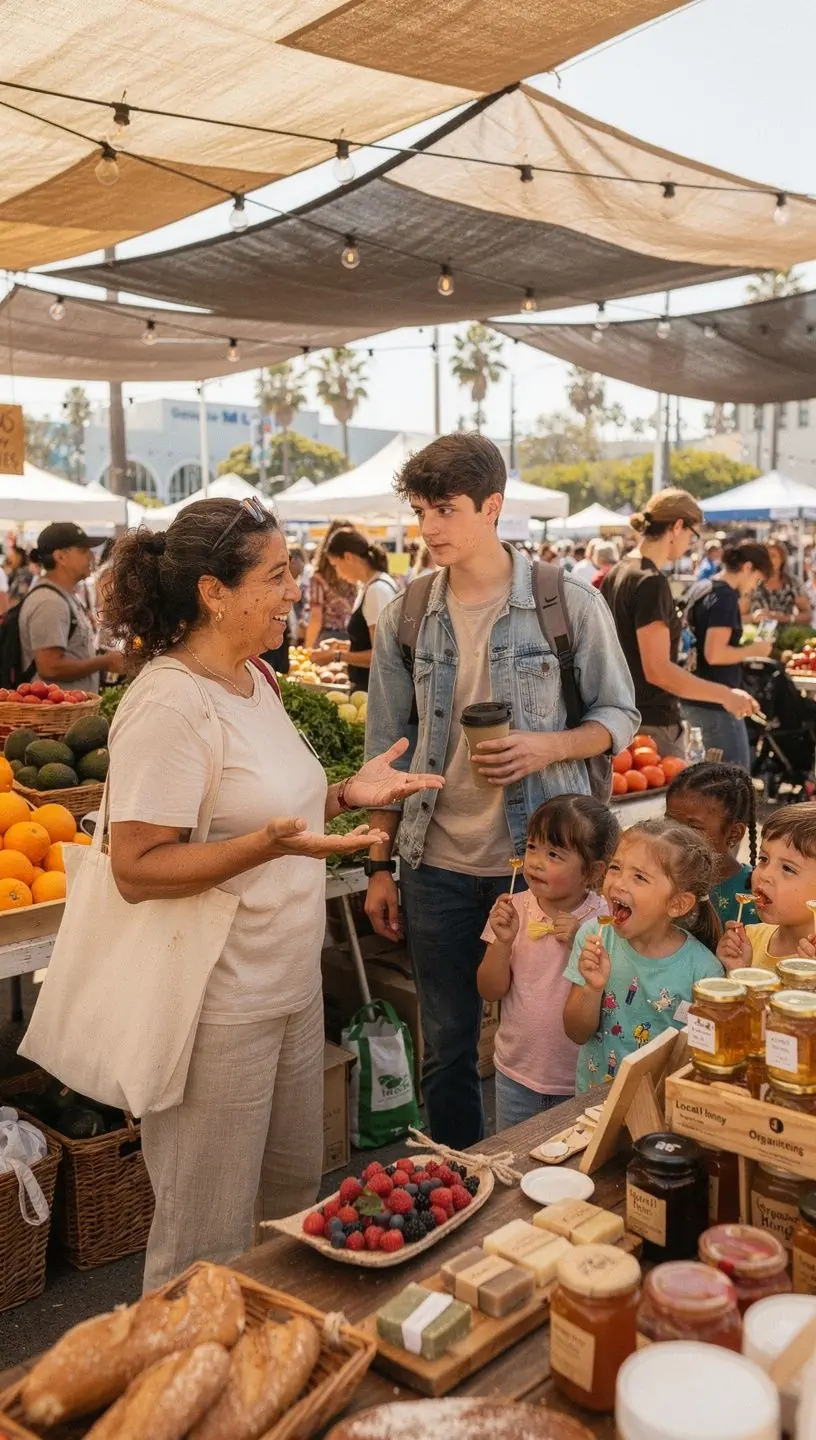
"Volunteering not only helps communities but also enhances the well-being of the volunteers themselves," says Dr. Sarah Thompson, a sociologist specializing in community dynamics.
Factors Driving Volunteerism
- Community Awareness: Many users report that increased awareness of local issues through social media platforms has motivated them to take action. Awareness campaigns often highlight specific needs, making it easier for individuals to identify where their efforts can be most impactful.
- Flexibility in Opportunities: Nowadays, many organizations offer flexible volunteering options that accommodate different schedules. Research indicates that these flexible arrangements tend to attract a broader range of volunteers, including those who may have limited time due to work or family commitments.
- Skill Development: Volunteering provides an opportunity for individuals to develop new skills. According to industry experts, many volunteers report enhancing their professional skills through hands-on experience, which can be beneficial in their careers.
Impact on Community Support
The trend toward increased volunteerism also positively affects community support systems. Studies show that communities with active volunteer bases often experience improvements in social cohesion, which is critical for addressing local challenges. Community support can manifest in various forms, such as:
- Food Banks and Shelters: Volunteers often play a crucial role in maintaining local food banks and shelters, ensuring essential services are available to those in need.
- Community Clean-Up Events: Many neighborhoods organize clean-up days to promote environmental stewardship, and these events typically rely heavily on volunteer participation.
- Mentorship Programs: Volunteer-led mentorship programs can significantly influence youth development, providing guidance and support that may not be accessible otherwise.
Getting Involved
For individuals looking to engage in volunteerism, it is essential to approach it with an understanding of the commitment required. Volunteering typically involves a time commitment that can vary widely, from a few hours a month to more sustained involvement. Here are some tips for getting started:
- Identify Personal Interests: Reflect on what causes resonate with you. Research shows that volunteers are more likely to stay engaged when they are passionate about the work they do.
- Start Small: Consider starting with short-term projects or events. This approach allows for manageable time commitments and provides a way to assess your fit with the organization.
- Connect with Local Organizations: Many community organizations are eager for support. Researching local groups and reaching out can lead to fulfilling volunteer opportunities that align with your skills.
Conclusion
The trends in volunteerism and community support reflect a shift towards greater social responsibility and collective action. By participating in volunteer efforts, individuals not only contribute positively to their communities but also enhance their personal growth. As the landscape of volunteerism continues to evolve, staying informed and engaged can help foster a more connected and supportive community for all.
Discover More